

Search Engine Optimization (SEO) is one of the most powerful ways to attract organic traffic and build long-term visibility online. Yet, many businesses unknowingly make some of the biggest SEO mistakes that hold them back from ranking higher. These mistakes can waste valuable time, reduce website performance, and even hurt your brand’s credibility.
At Slay Digi, we’ve worked with countless clients who struggled with ranking issues—only to discover that small but critical SEO errors were the root cause. In this article, we’ll break down the most common mistakes and explain how to fix them effectively.
Ready to Grow Your Organic Traffic?
Let our experts craft a winning SEO strategy tailored for your business.
1. Ignoring Keyword Research
One of the most common SEO mistakes for beginners is creating content without proper keyword research. Many businesses target keywords that are too broad or highly competitive, making it nearly impossible to rank.
Fix it:
Use tools like Google Keyword Planner, Ahrefs, or Ubersuggest to find low-competition, high-volume keywords that match your audience’s intent. Focus on long-tail keywords like “best SEO tips for small businesses” instead of generic terms such as “SEO.”
2. Poor On-Page Optimization
Even the best content won’t perform if your on-page elements are ignored. Missing title tags, poorly written meta descriptions, and inconsistent header structures can confuse search engines and reduce visibility.
Fix it:
Optimize each page with a clear title, relevant H1 and H2 tags, and engaging meta descriptions. Include your keywords naturally and maintain readability.
3. Duplicate or Thin Content
Publishing duplicate or low-value content is a major on-page SEO mistake. Search engines prioritize original, helpful, and informative content. Thin articles that add little value can lead to low rankings or even penalties.
Fix it:
Regularly audit your website using tools like Screaming Frog or Copyscape to identify duplicates. Update old posts and expand them into comprehensive, helpful resources.

4. Neglecting Mobile Optimization
Over half of all web traffic comes from mobile devices, yet many sites still fail to deliver a mobile-friendly experience. A poor mobile layout increases bounce rates and harms your rankings.
Fix it:
Ensure your website is responsive, loads quickly, and looks great on all screen sizes. Test it with Google’s Mobile-Friendly Test to catch any issues.
5. Ignoring Technical SEO
Many businesses underestimate the power of technical SEO. Broken links, slow loading speeds, and poor site architecture are silent killers for your rankings.
Fix it:
- Use Google Search Console to track crawl errors.
- Compress images and enable caching for faster loading.
- Maintain a clean URL structure and submit your sitemap regularly.
For professional optimization and technical audits, check out Our SEO Services.
6. Overlooking User Experience (UX)
A website that’s hard to navigate or cluttered with ads pushes visitors away. Google now measures engagement metrics like bounce rate and dwell time—so UX directly impacts rankings.
Fix it:
Simplify your layout, improve navigation, and make sure key information is easily accessible. A clean design not only helps SEO but also boosts conversions.
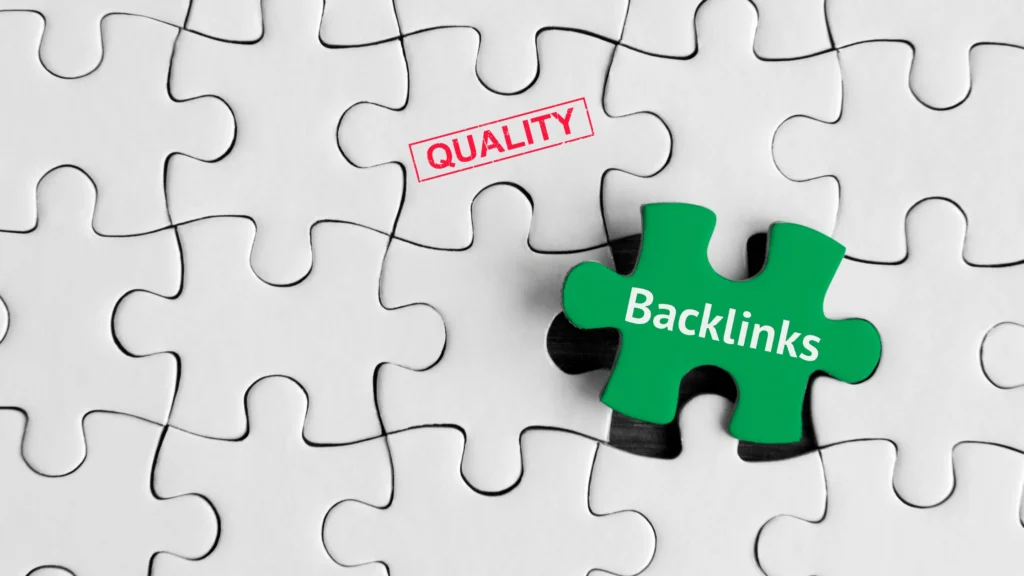
7. Not Building Quality Backlinks
Backlinks remain one of Google’s strongest ranking factors. However, some businesses focus on quantity over quality—leading to spammy, low-value links that harm their domain authority.
Fix it:
Build backlinks through guest posts, high-quality content, and collaborations with relevant sites in your niche. Avoid link farms or paid link schemes.
8. Skipping Local SEO
For local businesses, skipping local SEO is one of the common SEO mistakes that can cost valuable traffic. Without optimizing for your area, you’ll lose potential leads searching nearby.
Fix it:
- Create and optimize your Google Business Profile.
- Include local keywords like “digital marketing agency in [City].”
- Collect genuine customer reviews.
9. Ignoring Analytics and Performance Tracking
Without tracking your SEO progress, you can’t improve it. Many businesses fail to monitor metrics such as organic traffic, keyword rankings, and conversion rates.
Fix it:
Use Google Analytics and Google Search Console to track your performance. Regularly review your reports to identify what’s working and what’s not.
10. Expecting Instant Results
Perhaps the biggest SEO mistake is expecting immediate outcomes. SEO is a long-term game—it can take months to see significant progress. Impatience often leads to inconsistent strategies or switching tactics too soon.
Fix it:
Stay consistent and data-driven. SEO success requires time, testing, and adaptation. To stay ahead of trends, explore how emerging technologies are transforming search in our blog on AI Search Engine Optimization — a must-read for understanding the future of modern SEO.
Conclusion
Avoiding these biggest SEO mistakes is key to building a strong foundation for your website. From keyword research and content creation to technical optimization and analytics, every detail matters.
SEO isn’t about shortcuts—it’s about strategy and persistence. If you’re ready to enhance your rankings, increase traffic, and grow your brand, partner with experts who know what works.
👉 Get Started with Our SEO Services
Frequently Asked Questions (FAQs)
1. What are the biggest SEO mistakes to avoid?
Common SEO mistakes include ignoring keyword research, duplicate content, slow page speed, lack of mobile optimization, and skipping backlink building.
2. How do I fix SEO mistakes on my website?
Start with an SEO audit to identify problems, then improve on-page elements, fix broken links, and enhance content quality. You can also use professional help from Slay Digi for complete optimization.
3. How long does it take to see SEO results?
SEO results typically take 3–6 months, depending on competition, content quality, and consistency of optimization efforts.
4. Is keyword stuffing still effective?
No. Keyword stuffing can harm your rankings. Instead, use keywords naturally and focus on providing value and relevance in your content.
5. Why is technical SEO important?
Technical SEO ensures search engines can crawl, index, and understand your website efficiently, leading to better rankings and user experience.